Lisbon Cathedral
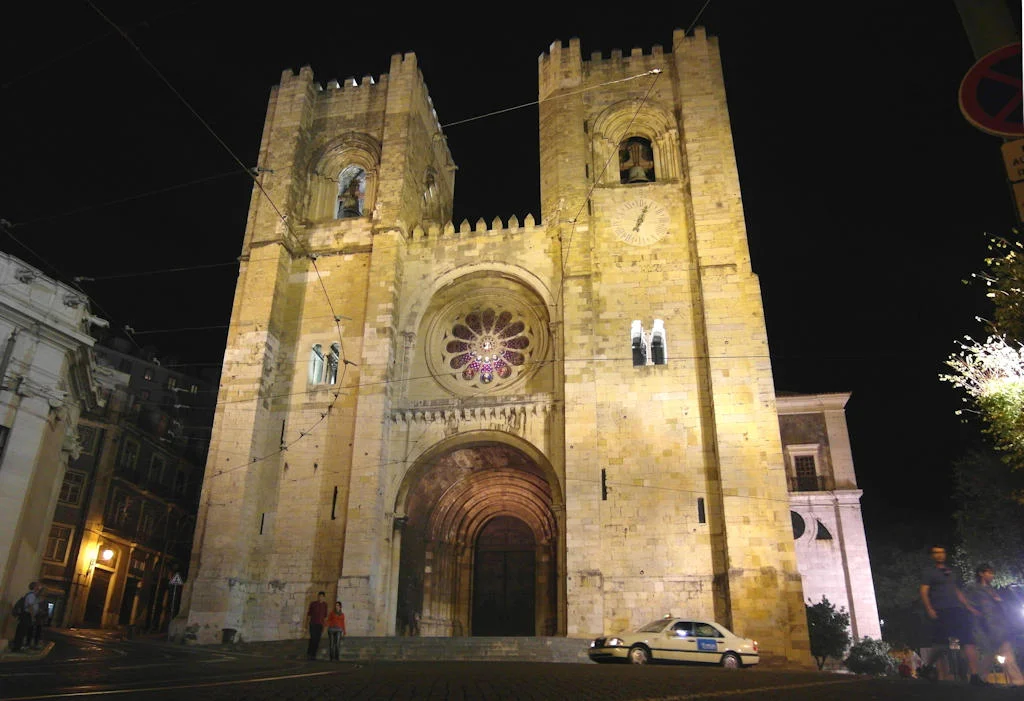
The Santa Maria Maior Cathedral, affectionately known as the Lisbon Cathedral, the constitutional church of the city, or Sé de Lisboa, is an enduring symbol of our city's rich heritage. With roots dating back to its founding in 1147, this venerable structure has the distinction of being both the oldest church in our beloved city and the prestigious seat of the Lisbon Patriarchate. Evolving over centuries defined by a combination of earthquakes, restorations, and captivating architectural styles, the cathedral stands today as a living testament to the enduring spirit of faith and resilience; I am deeply passionate about sharing this spirit with my fellow travelers.
The roots of the Lisbon Cathedral trace back to the 4th century, when the city became a bishopric. Following the Moorish rule, Lisbon was reconquered in 1147 by Portuguese soldiers led by King Afonso Henriques and Northern European crusaders. A new cathedral was built on the site of the city's former main mosque, and an English crusader named Gilbert of Hastings became its bishop. Constructed in the late Romanesque style, this building laid the foundation for the present-day cathedral.
Throughout history, the cathedral has witnessed significant events and overcome both natural and man-made challenges. The devastating 1755 Lisbon earthquake caused severe damage, including the collapse of the Gothic main chapel and the royal pantheon. However, it was partially rebuilt and underwent extensive restorations in the early 20th century, acquiring its present-day appearance.
Related Pages Carousel